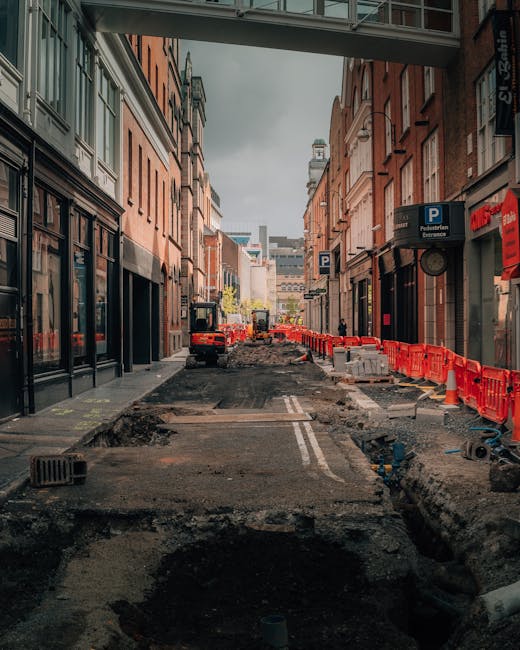
Upper Richmond Road removals for narrow access in Southfields
Moving on or near Upper Richmond Road in Southfields can be straightforward on paper and a bit fiddly in real life. Narrow access, parked cars, tight front paths, awkward stairwells, and the odd steep threshold can all turn a simple move into a careful, time-sensitive job. If you are planning Upper Richmond Road removals for narrow access in Southfields, the difference between a smooth day and a stressful one usually comes down to preparation, vehicle choice, and the team's ability to work cleanly in confined spaces.
This guide breaks the process down in plain English. You'll find out why narrow-access removals matter, how they are handled, what to expect on the day, and which mistakes cause most delays. There's also a practical checklist, a comparison of moving methods, and a realistic example of how a narrow-access move can be done without the usual chaos. Truth be told, these jobs reward calm planning more than brute force.
Table of Contents
- Why Upper Richmond Road removals for narrow access in Southfields Matters
- How Upper Richmond Road removals for narrow access in Southfields Works
- Key Benefits and Practical Advantages
- Who This Is For and When It Makes Sense
- Step-by-Step Guidance
- Expert Tips for Better Results
- Common Mistakes to Avoid
- Tools, Resources and Recommendations
- Law, Compliance, Standards, or Best Practice
- Options, Methods, or Comparison Table
- Case Study or Real-World Example
- Practical Checklist
- Conclusion
- Frequently Asked Questions
Why Upper Richmond Road removals for narrow access in Southfields Matters
Narrow access changes everything about a move. It affects the vehicle you can park, how long loading takes, whether furniture needs partial dismantling, and how many hands you need on site. On roads like Upper Richmond Road, the main challenge is often not distance but access: a driveway that's too tight, a front door set back from the kerb, or a busy stretch where you can't leave a large van standing around for long. That is why planning matters so much.
In Southfields, there's a practical mix of period properties, flats, maisonettes, and side-street homes, which means no two access points are quite the same. One property might have a neat front path with limited turning room; another might involve a shared hallway and a narrow staircase that turns sharply at the first landing. Add in normal London pressure - traffic, parking restrictions, neighbours arriving and leaving, and the constant low-level hum of the street - and you can see why a standard one-size-fits-all approach does not work.
Key point: the right removals plan for narrow access is not about moving slower for the sake of it. It is about avoiding damage, reducing lifting risks, and keeping the day predictable.
If you need a broader move service too, it can help to understand the difference between a flexible man and van option and a more structured home move. For larger or more complex relocations, home moves and house removalists may be the better fit.
How Upper Richmond Road removals for narrow access in Southfields Works
A well-run narrow-access removal starts before anyone arrives with a vehicle. Usually, the first step is a quick access assessment. That may be done from photos, a call, a short walk-through, or a combination of all three. The mover is looking for a few things: where the van can safely stop, how far items will need to be carried, whether there are stairs or lifts, and whether bulky items can physically pass through doorways and turns.
Once the access is understood, the move is planned around the restrictions rather than fighting them. In practical terms, that can mean using a smaller vehicle instead of a full-size lorry, splitting the load into shuttle runs, removing table legs or wardrobes before moving them, or protecting wall edges and bannisters to reduce scuffing. It might even mean choosing a quieter loading window so the kerb space is easier to use. Small detail, big difference.
For some jobs, a van-based service is enough. For others, especially where there is furniture to dismantle or a higher volume of goods, a larger vehicle or more specialist setup is safer. If you're comparing options, moving truck support and removal truck hire can suit different load sizes, while packing and unpacking services can take a lot of stress out of the prep.
One thing worth saying plainly: good narrow-access removals are as much about sequencing as lifting. The team decides what comes out first, what gets wrapped, what waits near the door, and where each item is staged so no one is tripping over a sofa at 8:15 in the morning. That sounds obvious, but it's often where time is won.
Key Benefits and Practical Advantages
The big benefit of using a methodical approach to narrow-access removals is reduced risk. Less bumping into frames, fewer scratched floors, fewer strained backs, and less of that horrible moment when a chest of drawers appears to be half an inch too wide. That kind of confidence matters.
- Better protection for property: careful measurements and the right gear reduce wall, floor, and bannister damage.
- Less wasted time: if the vehicle and route are chosen correctly, loading becomes more efficient.
- Lower physical strain: fewer awkward lifts and fewer unnecessary carry distances.
- More predictable pricing: clear access details help avoid unpleasant surprises on the day.
- Improved scheduling: narrow streets and limited parking often work better with tighter timing and an organised plan.
There is also a quieter benefit that people sometimes overlook: peace of mind. When you know the move has been thought through properly, you stop hovering over every box and start feeling like the day is under control. That alone can be worth a lot.
For businesses or landlords with multiple items, combining the move with other services can help too. If you need to clear surplus furniture, furniture pick-up is a sensible option, while companies dealing with premises changes may need commercial moves or office relocation services.
Who This Is For and When It Makes Sense
This kind of move is a strong fit for anyone whose property access is not generous enough for a standard large-vehicle operation. That includes residents in terraced houses, maisonettes, converted flats, and buildings with narrow halls or staircases. It also makes sense for people moving on busy stretches where parking is limited and time at the kerb has to be used efficiently.
It is especially useful if you have:
- large or awkward furniture that needs care around corners
- a staircase that turns sharply or feels tight on the landing
- a front door set back from the road
- limited parking or loading space
- fragile items that need better handling than a rushed general move
- a move that needs to happen around work, school runs, or traffic peaks
Sometimes people assume narrow access only matters for very large removals. Not really. Even a modest move can become awkward if the route from room to van is long or fiddly. A single wardrobe, for example, can become the whole story if it has to be taken apart in the hallway because there's no room to turn it. Happens more often than you'd think.
If you are not sure which service level suits your situation, it can help to compare a smaller load-focused service like man with van with something more structured. The right answer depends on access, volume, and how much handling the items need.
Step-by-Step Guidance
Here is a practical way to approach a narrow-access move without overcomplicating it.
- Measure the awkward bits first. Doorways, hall turns, stair width, lift size, and the narrowest point on the route should all be checked. A tape measure and a quick photo can save a lot of guesswork.
- Identify the largest items. Sofas, wardrobes, beds, mattresses, fridge freezers, desks, and tall bookcases usually determine the strategy.
- Decide what should be dismantled. If an item is borderline, taking it apart beforehand is often safer than forcing it through and hoping for the best.
- Choose the right vehicle size. In some parts of Southfields, a smaller vehicle parked closer to the property is more efficient than a larger one that sits awkwardly down the road.
- Set a loading sequence. Put the heaviest and most difficult pieces first, then stack around them intelligently rather than filling space at random.
- Protect the route. Use covers for floors, blankets for furniture, and corner protection where needed.
- Leave a clear path inside. Shoes, baskets, loose cables, and doorstops can all become trip hazards when people are moving quickly.
- Confirm timing and access on the day. A quick final check before arrival helps if parking conditions or building access have changed overnight.
One small but valuable tip: keep the kettle, chargers, keys, and important papers in one box or bag and do not send it onto the van. The last thing you want is to be searching for the kettle while boxes are stacked to the ceiling. A bit too common, that one.
Expert Tips for Better Results
After many tight moves, a few habits consistently help.
- Use photographs, not just descriptions. "Narrow hallway" can mean very different things. A photo settles it quickly.
- Think about angles, not just width. Many items fail on the turn, not the doorway itself.
- Wrap before you move, not after. Waiting until an item is halfway out is how scuffs happen.
- Keep fragile items separate. Delicate glass, mirrors, and electronics should not be tucked around heavy boxes just to save time.
- Allow extra minutes for the "last ten metres". That short stretch from doorway to vehicle often takes longer than people expect.
Another good practice is to treat the property like a shared working space for the duration of the move. That means clear communication, no rushing through doorways, and no sudden lifting surprises. A calm team is usually a safer team. Simple, but very real.
If your move involves a full house, it may be worth looking at broader support options such as house removalists. If the move also includes unpacking, kitchen setup, or room-by-room placement, packing and unpacking services can save you a long evening of boxes and tape.
Common Mistakes to Avoid
Most problems on narrow-access moves come from avoidable assumptions.
- Assuming a large van will be fine. Bigger is not always better if the street is tight or parking is limited.
- Not checking the staircase. Many items fit the doorway but fail on the landing. Annoying, but common.
- Leaving dismantling too late. Taking furniture apart under time pressure is slow and stressful.
- Forgetting about neighbours and building access. Shared entrances and communal areas need a bit of courtesy and planning.
- Underestimating loading time. A narrow route usually means more handling, not less.
- Not telling the mover about the tricky bits. If there is a locked gate, a steep step, or a hallway pinch point, say so early.
There is also a subtle mistake people make: overpacking boxes because "it's only a short move." The distance might be short, but the lift still has to carry the weight. Keep boxes sensible, especially when access is tight and carrying lines are awkward.
And yes, if something looks too bulky to move in one piece, it probably is. There's no prize for making the day harder than it needs to be.
Tools, Resources and Recommendations
You do not need a garage full of equipment to prepare properly, but a few basic tools make a real difference.
| Tool or item | Why it helps | Best use in a narrow-access move |
|---|---|---|
| Tape measure | Checks clearances and awkward gaps | Doorways, stair turns, furniture dimensions |
| Furniture blankets | Protects surfaces from knocks and scratches | Wardrobes, tables, mirrors, chest drawers |
| Stretch wrap | Keeps drawers closed and protects finishes | Cabinets, smaller furniture, loose parts |
| Floor protection | Reduces scuffs on wood, tile, and carpet | Hallways, thresholds, tight corridors |
| Basic toolkit | Helps dismantle and reassemble furniture | Beds, desks, shelving, wardrobes |
Beyond the physical tools, there are service choices that can make a move smoother. If you are moving a smaller household or a few bulky items, a tailored man and van arrangement can be practical. If the job is more substantial, a moving truck or even removal truck hire may be the right call, provided the street access works for it.
For people who want to feel more in control before moving day, a simple folder with measurements, photos, item notes, and contact details can be more useful than any fancy app. Old-school, maybe. Effective, definitely.
Law, Compliance, Standards, or Best Practice
For a local removal like this, the main compliance concerns are usually practical rather than dramatic. Vehicles should be operated safely and parked legally where possible. Load handling should follow normal manual-handling best practice, and access routes should be kept as clear as reasonably possible to reduce trips, slips, and damage. In shared buildings, it is also sensible to respect building rules and avoid blocking communal entrances for longer than necessary.
If movers are handling your belongings, you should expect them to work carefully, communicate clearly, and take reasonable precautions to protect property and people. That includes proper lifting technique, sensible load limits, and attention to fragile items. Good operators tend to treat those things as routine, not optional.
Insurance is another important part of the picture. It does not mean nothing can ever go wrong, because life is life, but it does mean the service is set up with risk awareness in mind. If you want to understand how this is handled, the company's insurance and safety information is worth a look, along with the health and safety policy.
Best practice also includes honesty at the quotation stage. If the access is tight, say so. If the stairwell is awkward, say so. If parking is likely to be a bit of a dance, say so. A careful quote depends on accurate information, and accurate information makes the day easier for everyone.
Options, Methods, or Comparison Table
Different moving methods suit different types of access. Here is a simple comparison to help you think it through.
| Method | Best for | Strengths | Limitations |
|---|---|---|---|
| Man and van | Smaller loads, flexible access, short local moves | Agile, practical, often easier on narrow streets | Less suitable for large house loads or many bulky items |
| Home move service | Full household relocations | More organised, better for multiple rooms and furniture | Needs clearer planning and may take longer on tight access |
| Moving truck | Higher volume or heavier loads | Capacity and efficiency for bigger jobs | Can be awkward where roads and parking are very tight |
| Removal truck hire | Situations needing vehicle-only support | Useful when you have your own team or a planned load | Less hands-on help with lifting and manoeuvring |
There is no universal winner here. Narrow access often favours flexibility over sheer size. If the road is tight and the stairwell is awkward, a smaller, well-managed setup can actually beat a bigger one. Counterintuitive? A bit. True? Often, yes.
Case Study or Real-World Example
Here's a realistic example based on the kind of move people often face in Southfields. A couple were moving from a first-floor flat close to Upper Richmond Road into a nearby terrace. The property had a narrow staircase, a front door that opened into a tight hallway, and a sofa that looked manageable until you tried to turn it at the landing. Not dramatic, just one of those situations where the geometry starts making the decisions for you.
Rather than bringing in a large vehicle and hoping for the best, the move was planned with a smaller van, a short carry distance, and a partial dismantle of the larger furniture. The sofa legs came off, the bed frame was broken down ahead of time, and fragile items were packed separately. The van was positioned where loading would be quickest, and the heavier items were moved first so no one had to re-stack them later.
The result was not flashy. That's the point. No scratches on the hallway wall, no repeated trips because a box was overfilled, and no last-minute panic about whether the wardrobe would fit. By late afternoon, the key pieces were in place and the couple could actually breathe. Sometimes a successful move just looks calm. Which, in moving terms, is about as good as it gets.
Practical Checklist
Use this checklist the day before and the morning of your move.
- Measure the narrowest doorway, hallway, and stair turn.
- Take photos of access points and the largest items.
- Confirm parking or loading arrangements.
- Dismantle furniture that is likely to snag or catch.
- Pack a separate essentials bag for keys, chargers, documents, and toiletries.
- Remove loose rugs, cables, bins, and clutter from the route.
- Protect floors and walls where needed.
- Label boxes clearly by room and fragility.
- Tell the movers about any locked gates, access codes, or building rules.
- Keep children and pets away from the loading route during the move.
Quick summary: if access is tight, clarity beats guesswork. The more the mover knows in advance, the smoother the day tends to run.
If you are comparing services, you can also review pricing and quotes so you have a clearer idea of what information is needed. And if you're clearing out old items before moving, recycling and sustainability guidance can help you decide what to keep, donate, or dispose of responsibly.
Get a free quote today and see how much you can save.
Conclusion
Upper Richmond Road removals for narrow access in Southfields are really about careful judgement. The street, the building, the furniture, and the timing all matter, and the best results usually come from planning the move around those realities instead of trying to force a standard approach into an awkward space. That is the whole game, really.
If you measure early, share clear photos, choose the right vehicle size, and allow enough time for the fiddly bits, you give yourself a much better chance of a smooth moving day. No one loves the packing tape stage, but a thoughtful setup makes everything after that feel far less chaotic. And that is worth aiming for.
For more about the team behind the service, you can also read about us. If you are ready to talk through your move, use the contact us page when you're ready. Nice and simple.
Some moves are about lifting boxes. This kind is about lifting the pressure, too.
Frequently Asked Questions
What makes Upper Richmond Road removals for narrow access in Southfields different from a normal move?
The main difference is the access constraint. Narrow roads, limited kerb space, tight hallways, and awkward stairs mean the move has to be planned more carefully, often with smaller vehicles, better sequencing, and more furniture handling.
Do I need to measure my doorway and staircase before booking?
Yes, ideally. Even rough measurements help. The narrowest doorway, the tightest turn, and the height of any staircase landing can all affect whether furniture needs dismantling or whether a different vehicle setup is smarter.
Can a large sofa or wardrobe still be moved through a narrow entrance?
Sometimes, yes, but not always in one piece. It often depends on angle, height, and the turning space available. In many cases, dismantling legs, doors, or frame sections makes the move far safer and quicker.
Is a man and van service enough for narrow-access removals?
For smaller loads, often yes. A man and van setup can be very practical where flexibility matters more than capacity. For larger homes or heavier furniture, a more structured service may be better.
How far in advance should I book a narrow-access move?
As early as you reasonably can, especially if the move needs a specific time slot or careful parking. Early booking gives more room to discuss access, vehicle size, and any dismantling work that may be needed.
What should I tell the removals team before moving day?
Tell them about the narrowest points, staircases, parking restrictions, gates, lifts, fragile items, and anything unusually heavy or awkward. A photo of the access route is often more useful than a long description.
Will tight access make the move more expensive?
It can, depending on the extra time, labour, or equipment required. That said, a clear plan often helps keep things efficient. The real cost risk comes from surprises, not from narrow access itself.
What if parking is very limited on Upper Richmond Road?
Then timing and vehicle choice become especially important. The move may need a smaller vehicle, a shorter loading window, or a different approach to staging items near the property. This is where early planning pays off.
Should I pack differently for a narrow-access property?
Yes. Keep box sizes sensible, avoid overloading heavy items, and label fragile boxes clearly. If space inside is tight, fewer oversized boxes are usually easier to move than a pile of overstuffed ones.
Can packing and unpacking help with tight-access removals?
Definitely. Good packing reduces damage risk and helps the crew move items more efficiently. If you want help with preparation and settling in, packing and unpacking services can make a noticeable difference.
What's the safest way to handle stairs and narrow hallways?
Move one item at a time, keep routes clear, use protection on corners and floors, and never rush a tight turn. If something looks borderline, pause and reassess. A short pause is far better than a damaged wall or a strained back.
Are there services for clearing unwanted furniture before the move?
Yes, and they can be very useful before a tight move. If you are reducing clutter or replacing items, furniture pick-up is a practical way to clear space before moving day.