Manandvan Southfields: Recycling and Sustainability Commitment
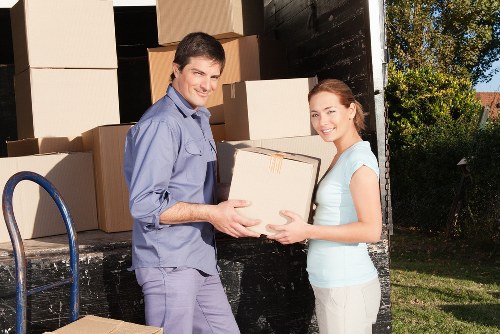 Manandvan Southfields is committed to raising local recycling standards and cutting carbon from daily operations. Our neighbourhood-focused approach combines practical waste separation guidance with vehicle upgrades and community partnerships to achieve measurable environmental outcomes. This page outlines our recycling percentage target, the transfer stations we use, charity collaborations, and our switch to low-carbon vans to serve the Southfields area responsibly.
Our short-term target at Manandvan in Southfields is to reach a 65% recycling rate by 2030 across collected household and commercial waste streams. This target reflects a combination of improved kerbside sorting participation, better segregation at source (food, paper/card, glass, mixed plastics), and expanded reuse pathways. Achieving 65% will require sustained community engagement and infrastructure support from local borough waste strategies.
 The boroughs' approach to waste separation in our service area emphasizes clear streams: food waste in compostable caddies, paper and cardboard in blue boxes or sacks, glass in bottles-and-jars-only containers, and mixed dry recycling for certain plastics and cans. Manandvan Southfields aligns its collections with these local protocols, helping residents and businesses follow the correct sorting rules and reducing contamination rates.
Local Transfer Stations and Processing Hubs
To keep materials moving efficiently, Manandvan-Southfields uses several local transfer stations and processing hubs. Our typical network includes municipal transfer points and regional sorting centres that specialise in different streams. We prioritise nearby facilities to cut haul distances and emissions, selecting sites that can handle separated food, garden waste, glass, and bulky reusable items.
Key recycling activities we coordinate locally include:
- Kerbside sorting into food, glass, paper/card, and mixed recyclables
- Textile collection and refurbishment for reuse
- Bulky waste reuse routing to community reuse stores
- Green waste composting or anaerobic digestion for bioenergy
Partnerships with Charities and Reuse Groups
 A crucial part of Manandvan Southfields' strategy is forming strong partnerships with local charities and reuse organisations. We work with community groups that accept household items, furniture and textiles, ensuring that serviceable goods avoid landfill and instead support local social enterprises. These collaborations extend the life of items, provide low-cost goods to residents, and funnel revenue back into community programmes.
Examples of charity-driven activity include coordinated collection days for bulky household items, direct donation lifts to local reuse centres, and sorting sessions where volunteers divert usable goods from the waste stream. Through these efforts, Manandvan in Southfields helps create circular-economy outcomes that reduce disposal volumes and support vulnerable households.
We also fund small grants and logistics support for neighbourhood collection schemes, enabling local groups to scale textile and appliance reuse. These partnerships are essential — they transform collection into impact by recovering value and avoiding unnecessary processing steps.
Beyond reuse, Manandvan Southfields invests in education campaigns that promote practical steps residents can take: rinse and flatten packaging, keep food waste separate, and use local donation points. Behaviour change is as important as infrastructure, so we support borough programmes that reinforce consistent sorting rules and reduce contamination at the kerb.
 A major operational change is our switch to low-carbon vans. Manandvan Southfields has begun deploying electric and low-emission vehicles across routes, with a pledge to transition the majority of the fleet to zero-emission vans by the end of the decade. This includes installing depot charging infrastructure, route optimisation software to reduce miles, and driver training to maximise EV efficiency.
 Low-carbon vans bring immediate local benefits: quieter streets, lower particulate emissions, and reduced CO2 from collection rounds. Combined with smarter routing and consolidation of loads at transfer stations, these measures contribute directly to the borough-level net zero ambitions and to our 65% recycling target by cutting the climate footprint of collections.
In summary, Manandvan Southfields' sustainability programme balances bold targets with practical actions: a clear recycling percentage target, use of proximate transfer stations, active partnerships with charities for reuse, and rapid adoption of low-carbon vans. Together, these elements make our approach resilient, community-centred and aligned with local borough waste separation schemes, helping to turn collected materials into resources and to reduce the climate impact of everyday waste management.